Every 210 days, the streets of Bali are lined with towering bamboo poles adorned with flowers and woven coconut leaves. These swaying decorations signal the arrival of one of the most important celebrations in the Balinese Hindu calendar: Galungan and Kuningan.
Galungan commemorates the victory of Dharma over Adharma. In Balinese Hinduism, Dharma represents truth, virtue, and harmony, while Adharma represents chaos, disorder, and negative forces. The celebration serves as a reminder of the importance of maintaining balance and living according to spiritual values. The festival lasts ten days, concluding with the celebration of Kuningan.
Unlike many religious festivals that follow the Gregorian calendar, Galungan follows Bali's traditional Pawukon calendar. This ancient calendar operates on a 210-day cycle, meaning Galungan can occur twice within a single Gregorian year. It always falls on a Wednesday, known as Buda Kliwon Dungulan.
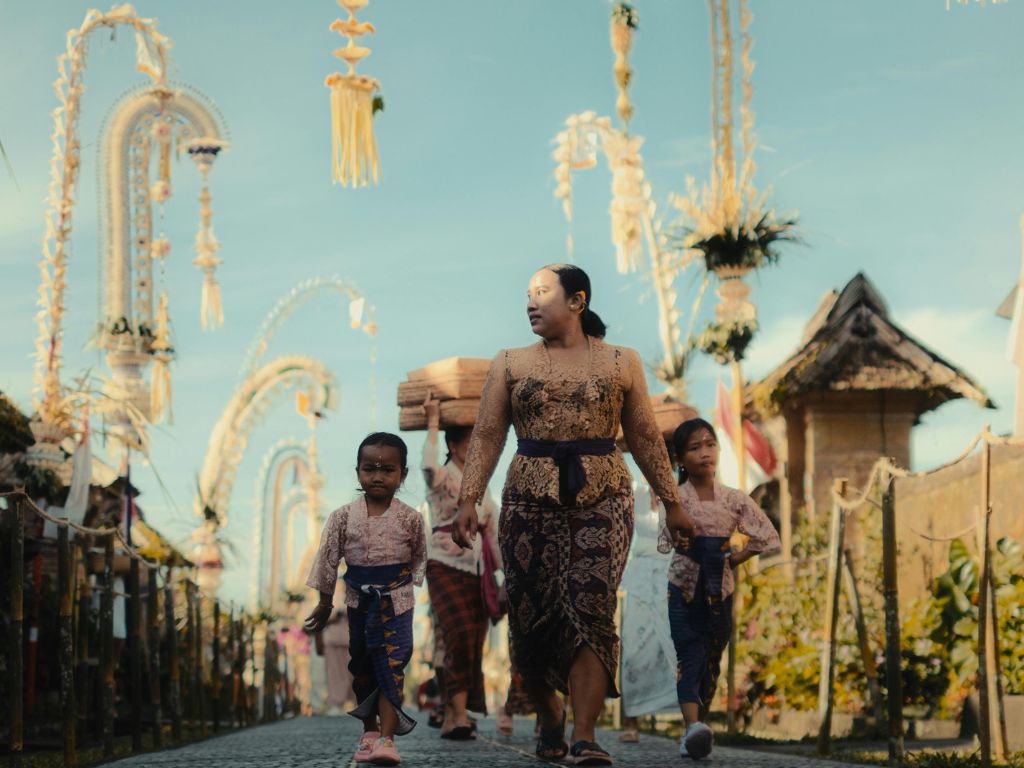
Preparations begin several days before the main celebration. Families clean their homes and family temples, prepare ceremonial offerings, and gather ingredients for traditional meals. One of the most significant preparation days is Penampahan Galungan, which takes place on the eve of Galungan and is traditionally dedicated to preparing food and offerings for the festivities ahead. Perhaps the most iconic symbol of Galungan is the penjor. These elegant bamboo poles, which can reach heights of up to ten metres, are erected outside homes, businesses, and temples throughout Bali. Made from bamboo and decorated with woven young coconut leaves, rice, fruit, flowers, and cakes, the penjor symbolises gratitude for prosperity and the abundance provided by nature. The curved shape of the bamboo is often associated with Mount Agung, Bali's most sacred mountain, and serves as a visual expression of devotion and respect.
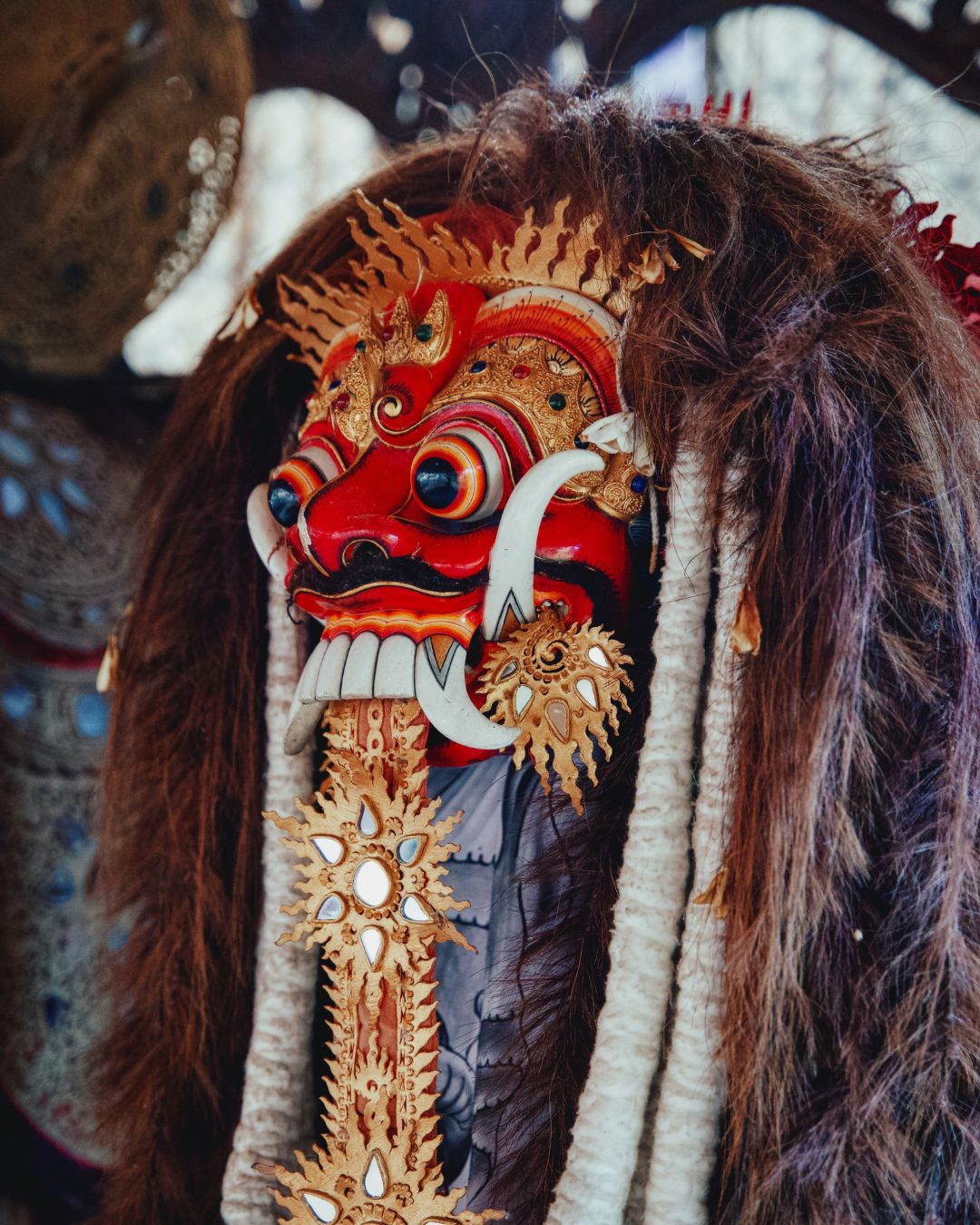
Visitors may also encounter the Barong Bangkal during the Galungan season. This traditional village procession features a barong in the form of a wild boar, accompanied by music and local performers as it moves through neighbourhoods. Families often make small donations or offerings as the procession passes by. While festive and playful in nature, the Barong Bangkal also carries spiritual significance, helping to bless the community, ward off negative influences, and strengthen social connections during the celebration.
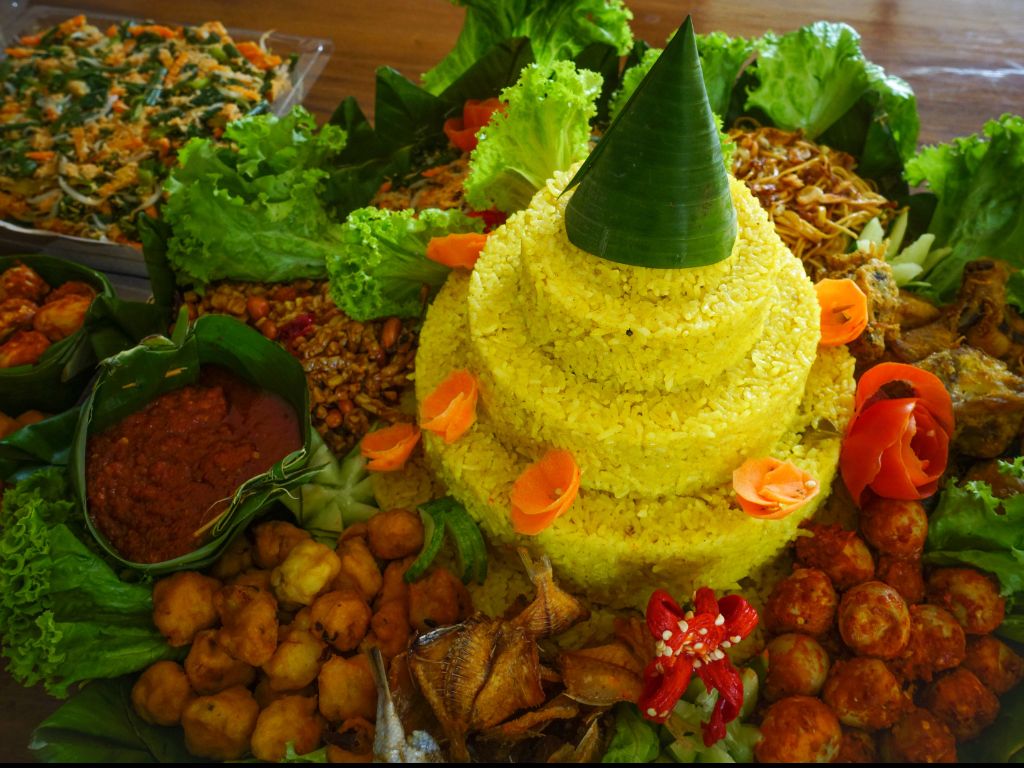
Galungan itself marks the beginning of a ten-day sacred period during which ancestral spirits are believed to return to visit their descendants. Families spend time praying, making offerings, and visiting relatives and temples across the island. The celebration concludes with Kuningan, which takes place ten days after Galungan and marks the moment when ancestral spirits return to the spiritual realm. The name derives from the Balinese word kuning, meaning yellow — a reference to the golden-hued nasi kuning, or yellow rice, that is central to the day's offerings. Yellow carries deep symbolism in Balinese tradition, representing prosperity, divinity, and spiritual light. Prayers are conducted, offerings are prepared, and families gather once again to honour their ancestors and seek blessings for the future.
For the Balinese people, Galungan is more than a religious holiday. It is a celebration of family, community, gratitude, and faith that continues to play a central role in everyday life. For visitors, it provides a fascinating insight into the traditions that have shaped Bali for centuries and remain deeply woven into the island's identity today.